

“Innovation often arrives faster than it can be absorbed,” says António Azevedo Campos, cofounder and CEO of Hub2Energy. In the Gulf, where start-ups often prioritise fast-scaling consumer platforms, the gap between new technology and real-world implementation can be wide.
Hub2Energy is trying to close it. The Kuwait-based company works on the unglamorous part of the energy transition: digitising systems, cutting emissions, and making existing infrastructure run more efficiently. Campos argues that innovation only matters if it strengthens the fundamentals — not just adds new layers of convenience.

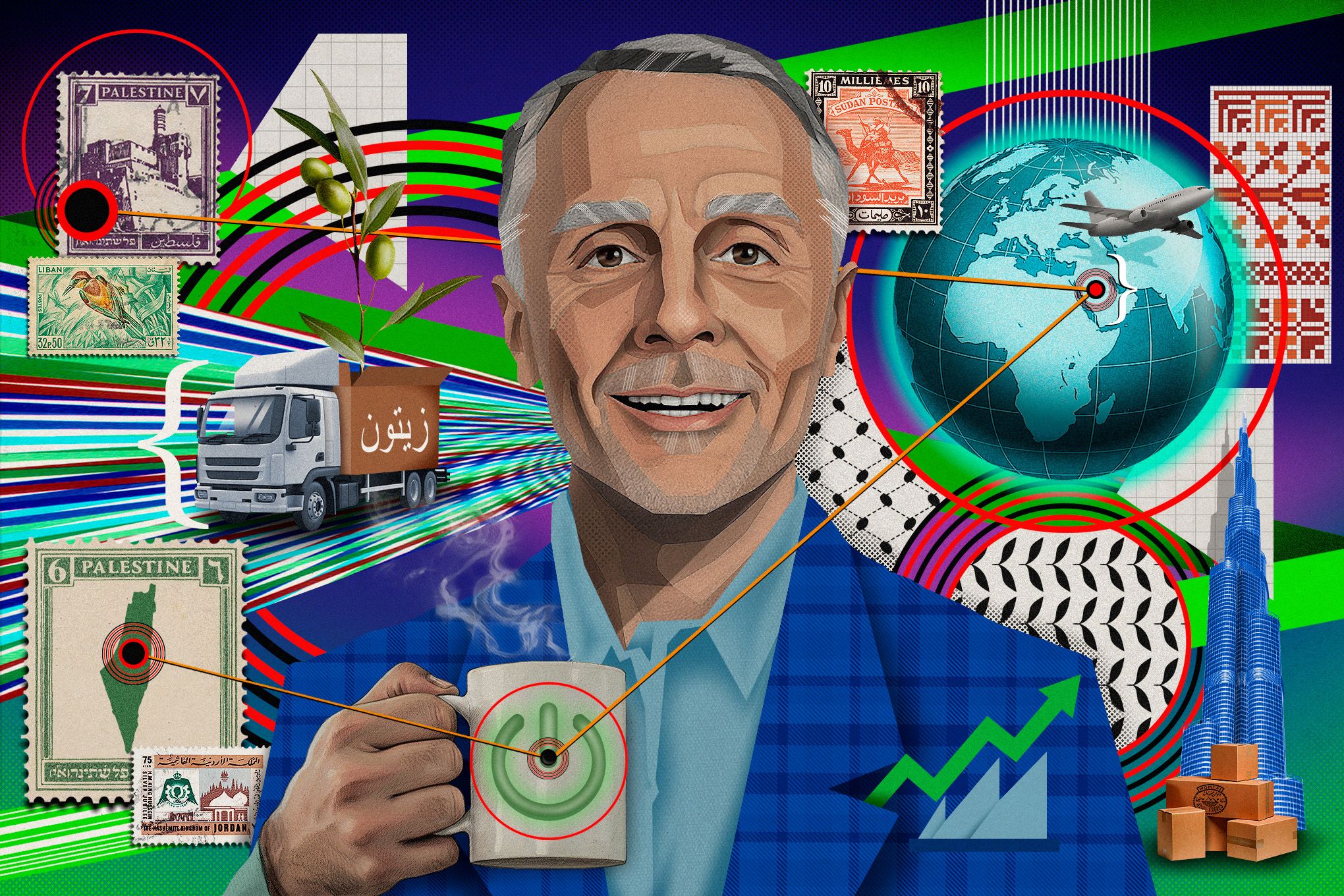
António Azevedo Campos, cofounder and CEO of Hub2Energy.
COURTESY OF Hub2Energy.
In November 2022, Kuwait reaffirmed at COP27 that it aims to reach carbon neutrality by 2050. It was a signal that even one of the Gulf’s most oil-dependent economies is being pushed to plan for what comes next. Campos describes the moment as a turning point. “At that time, we had been working across energy ecosystems in Europe and the Gulf. We consistently observed a gap in how global innovation was being localised in the region,” he says.
Campos and his cofounder, Abdullah Al-Rqobah, launched Hub2Energy to help bridge that gap — building a platform designed to support Kuwait’s shift from hydrocarbons toward what he calls a “carbon-intelligent economy.”
“For us, success is measured in outcomes,” Campos says. He points to performance gains from deploying energy and emissions technologies, claiming “existing systems deliver 10 to 30% more effectively,” alongside “20 to 30% reductions in unplanned downtime.”
He also highlights carbon capture and direct air capture as tools for emissions reduction — and ties the approach to Kuwait’s climate commitments.
Where Coffee Meets Convenience
Not every efficiency play in Kuwait looks like climate tech. Some are built into everyday infrastructure — like how goods move through a city. COFE, founded in 2017 by Ali Al-Ebrahim, is a mobile marketplace for ordering coffee — a product designed for a country where coffee is part of the daily routine. Platforms like this shape delivery routes, packaging choices, and how many trips are needed to serve a single neighbourhood.