
The Middle East’s start-up ecosystem is packed with new bets, spanning sectors as diverse as fintech, life sciences and AI. Saudi Arabia, in particular, is emerging as a high-volume testbed for founders, with accelerators, research centres and government-backed initiatives expanding the pipeline.
According to MAGNiTT’s 2025 Emerging Venture Markets Report, the Kingdom emerged as the top MENA market for venture capital deals, accounting for 45% of total capital deployed and $1.72 billion in investment. It was also the region’s most active market by deal count, with 257 transactions.
As AI becomes embedded in everything from hiring and logistics to industrial operations, Saudi Arabia’s innovation push is accelerating. In the 2025 Global AI Index, the Kingdom ranked fifth globally for AI sector growth and first in the Arab region. Vision 2030 aims to position the country as a global hub for data and AI, attracting about $20 billion in investments, empowering more than 20,000 specialists, and fostering 300+ start-ups.
Humain: Saudi Arabia’s Full-Stack AI Bet
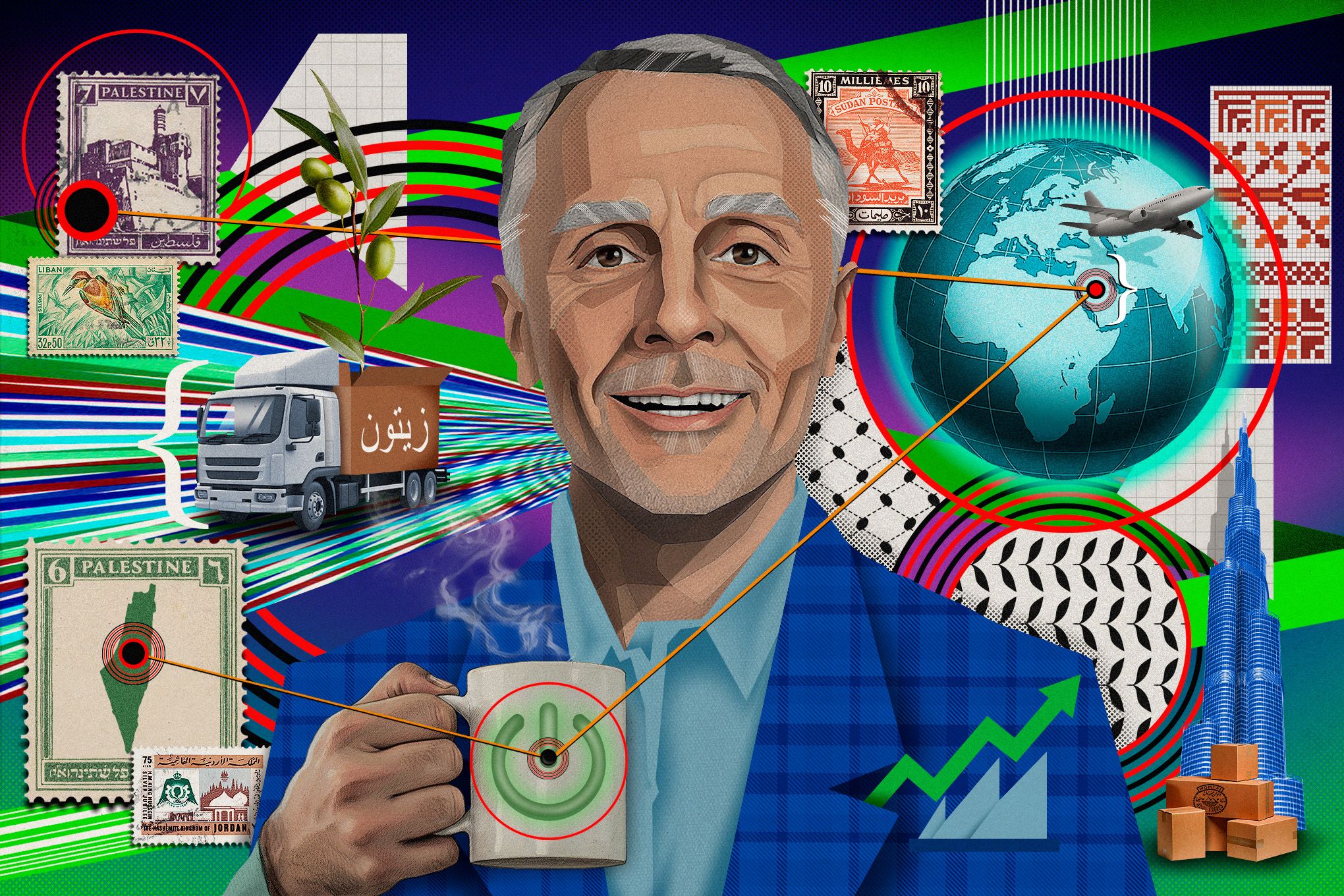
Humain, launched in May 2025 under Saudi Arabia’s Public Investment Fund, is aiming for global scale. The company was created “to create a single national platform that could unlock the entire AI value chain, from infrastructure and foundational models all the way to applications and real-world impact,” CEO Tareq Amin tells WIRED Middle East.
In practice, that means Humain wants to build the full stack — from infrastructure and cloud to data, models and real-world applications. The company says its products could support sectors ranging from smart cities and government services to energy and finance.
.jpg)
HUMAIN CEO Tareq Amin.
COURTESY OF HUMAIN.
Humain has also secured partnerships with major tech firms, including Adobe, Qualcomm, AMD, AWS, Nvidia and Cisco. “For us, 2026 is all about execution and momentum,” Amin adds. “We’re focused on scaling what we’ve already built by deepening partnerships, expanding product adoption and translating our platform into measurable economic and societal impact.”